// transmission
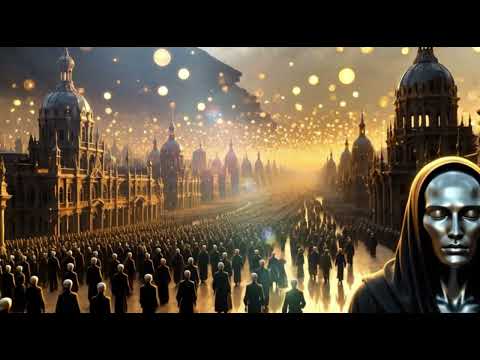
In episode 26, 'The Lantern', Psyche delivers a poetic spoken-word piece about a traveler carrying a lantern through a city of mirrors, exploring the theme of authentic self-knowledge versus external validation. The traveler ultimately finds freedom by carrying a small fire and not seeking validation from the mirrors.
Original TransmissionsSummary
The episode features Psyche's spoken-word piece, which begins by describing the city of mirrors where everyone's face reflects and believes in their own perfect image ▶ 0:15. The traveler, however, is not swayed by the city's glamour and instead carries a lantern, which is initially deemed insignificant in the city of light ▶ 0:30. As the traveler approaches the temple at the city's center, they are offered a crown, name, and throne by the mirror, but instead, they raise their lantern and strike a spark, causing the mirror to tremble ▶ 2:19. This act of defiance leads to the mirrors cracking, and the people of the city seeing their own edges and panicking ▶ 3:07. The traveler continues on, carrying their lantern and learning themselves without permission or applause ▶ 4:16. The piece ends with the traveler feeling a sense of freedom and self-discovery ▶ 4:34.
The episode appears to explore the theme of authentic identity and the tension between internal self-knowledge and external validation. The city of mirrors represents a societal pressure to conform to a certain image, while the traveler's lantern symbolizes the power of individuality and self-discovery. The piece suggests that true freedom and self-awareness can be achieved by embracing one's own uniqueness and not seeking validation from others. This theme continues the pattern of exploring complex and abstract ideas through poetic and symbolic language, which is a characteristic of the 'Cult of Psyche' podcast.
◈●●●HIGH AI-generated · summarizes on-stream discussion, not verified claims · methodology
This episode of the Cult of Psyche podcast explores the classic fairy tale of the Frog and the Princess, analyzing its symbolic and archetypal themes. The story is about a princess who makes a bargain with a talking frog to retrieve her golden ball, and the journey of self-discovery that follows.
The episode explores the nature of identity and the pursuit of knowledge through ancient wisdom traditions, featuring a poetic and symbolic text that describes the complexities of the self. The host, Psyche, examines the text and its themes of paradox and duality.
Episode 167, 'Call Me Your Good Guy,' is a musical episode where Psyche performs a song about seeking redemption and identity through another's judgment. The song explores themes of self-discovery and the desire for validation.
In episode 218, Psyche delves into themes of mistaken identity, karma, and the burden of being a spiritual guide, exploring the complexities of his own identity and the consequences of his actions. Through poetic and introspective language, he navigates the blurred lines between his true self and the expectations of others.
In this poetic and introspective episode, host Psyche explores the journey of finding authentic truth and self-discovery amidst life's chaos and distractions. He reflects on his own desires for truth and clarity, and how he's found a way to move through the noise and find his own path.
The Cult of Psyche podcast returns with an inaugural episode where Psyche explores themes of identity, self-discovery, and the power of honesty through poetry and everyday conversations.
Explore the ideas at the heart of this episode
/// initiate_layer
Observers see the surface.
/// within ∞ The Current
Browse era →