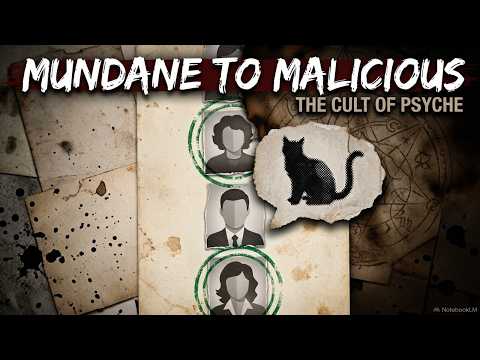
The Anatomy of a Toxic Argument: Beetas Kitties Moral Grandstanding and Stalking
Episode 1808 examines the anatomy of toxic arguments within unmoderated online communities, analyzing how conflicts escalate from casual conversation to systematic character assassination through personal surveillance, moral grandstanding, and network-based social destruction.
The episode opens with a description of a 24/7 unmoderated voice chat community [0:00-0:27] where participants engage in casual everyday conversation about mundane topics like cat health, stress relief activities, and pop culture. Without warning, the tone shifts dramatically [0:28-0:46] as the environment becomes hostile, with fighting functioning as a 'toxic sport' focused on absolute social destruction. The episode then outlines specific tactical patterns observed in these conflicts. The first involves systematic personal attacks [0:48-1:37], where combatants strip away private information to find vulnerabilities, pivot to scrutinizing dating histories and relationship longevity, employ hyper-masculine posturing with accusations about testosterone levels, and ultimately target physical insecurities like weight or appearance to bypass the need for factual arguments. The second tactic involves digital surveillance [1:38-2:23], where participants scrub public records, pinpoint hometowns, dig for criminal histories, and dissect DUI filings and legal details as social ammunition. The episode notes that severe allegations including rumors of domestic violence are read on stream and weaponized for social leverage rather than reported to authorities, and real-life medical emergencies are treated with suspicion. Moral grandstanding functions as a veneer [2:32-2:42] where real-world trauma becomes 'digital currency' used exclusively for dominance. The toxicity spreads through the network via guilt by association [2:42-3:19], where combatants interrogate each other about offline meetups and associations with controversial figures, forcing participants to disavow problematic friends or face communal backlash, ultimately creating a tribal us-versus-them dynamic that makes neutral participation impossible. The episode concludes [3:21-3:50] by noting that after hours of conflict, no issues are resolved, leading to bizarre resets where combatants may rage quit or casually pivot back to mundane topics, forming a circular loop where the fight itself becomes the purpose.
interpretation
⬡ Interpretive Layer· AI interpretation
This episode appears to present an anatomy of digital toxicity that suggests unmoderated online environments create structural conditions for escalation. The progression from casual conversation to systematic character assassination suggests that the absence of moderation doesn't simply enable conflict—it may institutionalize it as a form of entertainment or status competition. The episode implies that moral grandstanding functions as a particular form of social violence, where real suffering and trauma are instrumentalized rather than authentically engaged with, suggesting a broader pattern in these spaces of emotional weaponization disguised as ethical positioning. The analysis continues the show's apparent pattern of examining how digital communities shape human behavior, particularly how anonymity and lack of accountability transform interpersonal conflict into competitive performance. The circular nature of these conflicts—where resolution is impossible and logging off becomes the only exit—suggests the episode frames these spaces as fundamentally self-perpetuating systems that reward engagement over resolution.
Welcome to a 24/7 unmoderated voice chat, a corner of the internet where participants congregate for casual everyday conversation. On the surface, the environment feels mundane. Users spend hours discussing the health benefits of neutering cats or how painting and mountain biking serve as reliable stress relief. They bond over
old Post Malone tracks, grounding the space and relatable low-stakes pop culture banter. Then, without any warning at all, the normal baseline completely shatters. The tone instantly snaps into aggressive posturing and vicious insults. In these specific unmoderated ecosystems, fighting functions as a toxic sport
where the primary objective is absolute social destruction. The initial tactic involves a systematic stripping away of a participant's private life to find points of failure. Combatants pivot away from the topic at hand to scrutinize dating histories. They compare a single relationship to a history of multiple marriages and divorces using personal longevity as a
proxy for character. The insults often move into hyper-masculine posturing. Users weaponize Chad dynamics and hurl accusations of low testosterone to establish a hierarchy of dominance. When abstract insults lose their edge, the focus shifts to physical appearance. Participants launch highly specific attacks on a rival's weight or mock them
for having missing teeth. Attacks on core insecurities provide the weight needed to violently tip the power dynamic, bypassing the need for a factual argument entirely. The next tactic involves digital surveillance, the process of turning public records into weapons for panel dominance. Participants scrub through geographical backgrounds, pinpointing a user's
hometown to dig for actionable history. This research fuels debates over criminal records. The room dissects specific DUI filings, arguing over court fines, probation terms, and suspended licenses. These legal details function as ammunition for social leverage. The
goal is to establish a superior moral position. Severe allegations, including rumors of domestic violence, are casually read on stream. These sensitive details are used as leverage against a rival, rather than being reported to authorities. Even a real-life medical emergency involving a family member is treated with suspicion or used to judge a
participant's character. The moral grandstanding in these chats serves as a thin veneer. Real-world trauma is reduced to digital currency, used exclusively for social dominance. The toxicity extends through the network via guilt by association. Combatants interrogate each other about offline meetups and associations with
controversial figures during Coastal RV streams. This places intense pressure on participants to defend their loyalties. They must disavow problematic friends to avoid the communal wrath. The environment settles into a tribal us-versus-them dynamic. In this framework, neutral participation becomes
impossible. Attacking a user's network ensures the conflict spreads beyond the original combatants, making the entire ecosystem complicit. After hours of screaming and character assassination, the digital dust settles. No issues have been resolved. The exhaustion leads to bizarre resets. One participant might
rage quit in a fury, while the others casually pivot back to mundane topics like running errands. The interaction forms a circular loop. The absence of an exit node suggests that for these combatants, the fight itself is the purpose. When personal histories become the primary weapons, the only way to end the cycle is to log off.
↑↓ navigate · Enter seek · Click to select
Dealing with Attacks and Rebuilding Like a Phoenix
Psyche reflects on resilience and personal attacks, discussing how she laughs off attempts to silence her and embraces a phoenix metaphor for rebuilding relationships and identity after social pressure.