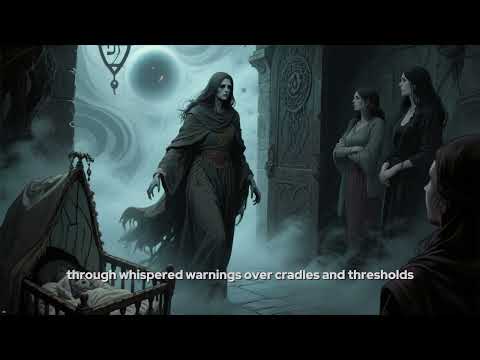
An exploration of Lilith as a misunderstood figure of female rebellion, examining how she was transformed from a demonized warning into a symbol of feminine sovereignty and resistance to patriarchal control.
Mythology & LoreThis episode delves deep into the mythology and cultural transformation of Lilith, challenging common misconceptions and revealing the truth behind her demonization. Psyche traces Lilith's evolution from ancient Mesopotamian demon traditions through Jewish folklore, where she becomes Adam's first wife who refuses to submit, to her modern reclamation as a feminist symbol. The analysis reveals how Lilith's 'crime' was not wickedness but simply refusing inequality and asserting her sovereignty over her own body and choices. The episode explores how cultures mythologize against female power by turning rebellious women into monsters, and how modern feminist thinkers have reclaimed Lilith as a symbol of liberation. Psyche emphasizes that Lilith represents the archetypal 'difficult woman' who chooses wilderness and self-determination over compliance and diminishment, making her a powerful figure for understanding the intersection of female freedom and social punishment.
Host Psyche explores the Mahavidyas, ten fierce Hindu tantric goddesses who challenge conventional notions of the divine feminine through their radical, often terrifying imagery.
Psyche introduces Bagalamukhi, the Hindu tantric goddess who embodies the power to stop harmful momentum and control destructive forces through divine interruption.
Trix traces the 3,000-year journey of how Queen Jezebel's name transformed from a historical figure into a weaponized stereotype, particularly examining its use as a racist tool against Black women in America.
This episode is actually a music video featuring the song 'PANTHERLOPE' - an artistic musical piece about a mythological creature that embodies both predator and trickster archetypes.