// transmission
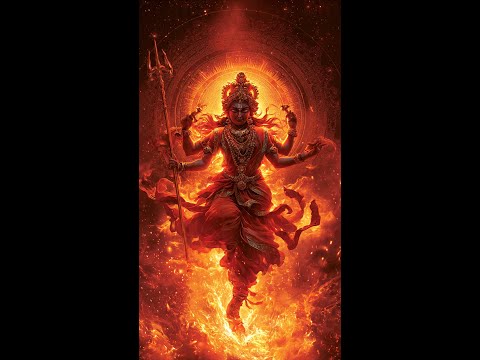
In this episode, host Psyche explores the Mahavidyas, 10 fierce Hindu tantric goddesses who challenge conventional notions of the divine feminine. He delves into their radical and often terrifying imagery, discussing how they represent a spiritual language that can help individuals break free from societal expectations and find liberation.
Mythology & LoreSummary
The episode begins with Psyche introducing the Mahavidyas, describing them as goddesses who defy traditional notions of the divine feminine ▶ 0:00. He explains that they are deliberate anti-models of the perfect woman, designed to subvert the social order ▶ 0:23. Psyche discusses how these goddesses find power in what society fears most, such as death, blood, and pollution ▶ 0:41, and how they dominate gods who are often depicted as lifeless or subordinate ▶ 0:56. He also explores how the Mahavidyas represent an inner sovereignty that refuses to be tamed by social expectations ▶ 2:30, and how they turn what society deems unacceptable into a spiritual teacher ▶ 2:41. At ▶ 3:29, Psyche notes that the Mahavidyas put the divine feminine principle at the absolute center, and at ▶ 4:24, he explains that their most intense images are about renewal, not destruction.
This episode appears to suggest that the Mahavidyas offer a radical vision of divine power, one that can help individuals break free from societal expectations and find liberation. The goddesses seem to represent a spiritual language that can help individuals confront their fears and find the sacred in unexpected places. The episode continues the pattern of exploring unconventional spiritual traditions and ideas, and it appears to be an invitation to listeners to challenge their own assumptions and limitations.
◈●●●HIGH AI-generated · summarizes on-stream discussion, not verified claims · methodology
This episode explores the story of Matangi, a tantric Hindu goddess who emerges from leftover food and challenges conventional notions of purity in divinity. She is the patron goddess of the arts, music, and literature, and represents the 64 traditional arts or kalas.
This episode explores the goddess Kali, the first Mahavidya, and her symbolism as the force that destroys illusion and false identity to reveal ultimate truth. The host, Trix, delves into the inner secrets of Kali and provides a practical ritual to connect with her energy.
This episode explores the mythological figure of Lilith, examining her transformation from a demonized warning to a symbol of feminine sovereignty and resistance to patriarchal control. Psyche discusses how Lilith's story has been shaped by male anxiety and fear, and how she has been reclaimed as a symbol of freedom and liberation by modern feminist writers and thinkers.
In episode 138, host Trix/Psyche tells the ancient Hindu story of King Sarata's fall from power and his encounter with the sage Medas, who explains the cosmic power of the goddess Mahammaya. The story explores the theme of attachment and delusion, and how Mahammaya's power affects even the wisest beings.
Episode 171 of the Cult of Psyche podcast is a devotional musical tribute to Lalitha Tripura Sundari, the Divine Mother in Hinduism, featuring a sung hymn called 'Crowned Blushfire.' The episode is a spiritual and poetic exploration of the divine feminine, with Psyche singing and speaking about the beauty and power of the Divine Mother.
The episode 'Oh, Rambha! (Song to the Ocean Born Apsara Queen)' is a devotional song and poem dedicated to Rambha, exploring themes of divine feminine power emerging from primordial waters. The song weaves a narrative of Rambha's power and beauty, invoking her presence and guidance.
Explore the ideas at the heart of this episode
/// initiate_layer
Observers see the surface.
/// within ∞ The Current
Browse era →