

The Evolution of Psyche
Episode 147 of the Cult of Psyche features a musical introduction that explores the show's mythology through digital-occult poetry and song, setting the tone for the episode's themes of technology, spirituality, and community. The episode's musical anthem presents a vision of a world where technology and spirituality intersect, with the Cult of Psyche at its center.

#1 The Divine Art of Voice
In this episode, Trix explores the divine art of singing, focusing on voice sovereignty as breath control, emotional mastery, and spiritual power, and provides a practice to help listeners master their voice.
The Ten at the Edge of the Fire
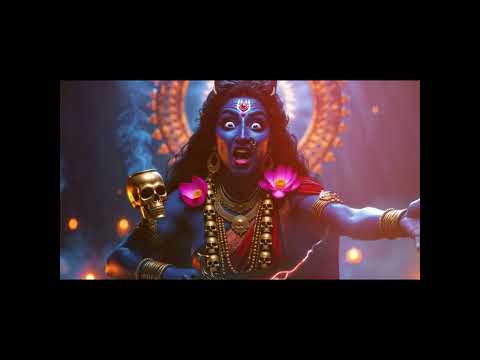
This episode of 'The Cult of Psyche' features an original composition about encountering ten mysterious feminine figures at the edge of fire, who demand truth over faith and transformation over worship. The song-based episode explores themes of self-discovery and growth.

#2 The Divine Art of Sound
Psyche explores the divine art of Vaga, the sacred art of instrumental sound, and its power to shape consciousness and atmosphere without words. He discusses how sound can be used as ritual technology to influence people's emotions and actions.

The Descent of the Tibetan People from a Monkey and a Rock Ogress
This episode explores the Tibetan creation myth, where a compassionate bodhisattva monkey and a passionate rock ogress become the ancestors of the Tibetan people. The story weaves together compassion, nature, spirituality, and the essence of being human.

Coronation of Psyche
The episode 'Coronation of Psyche' is a music-driven episode featuring spoken-word lyrics and vocals, setting an atmospheric tone for the show. The episode appears to be a personal and empowering anthem, with Psyche declaring his presence and intentions.

The Magical and Mysterious Yakshinis and Dakinis: Celestial Female Spirits of the East
Host Psyche explores the magical and mysterious Yakshinis and Dakinis, three powerful feminine archetypes from Eastern mythology, examining their spiritual and psychological significance. He discusses Carnapishini, Yakshini, and Dakini, and how they represent forbidden knowledge, sacred abundance, and transformative awakening.

The Return of Jezebel
This episode of the 'Cult of Psyche' podcast explores the archetypal energy of Jezebel as a seductive force that isolates and drains, with themes of spiritual protection and resistance. The episode features a poetic and musical performance by the host, Psyche.
Jezebel Queen to Cliche
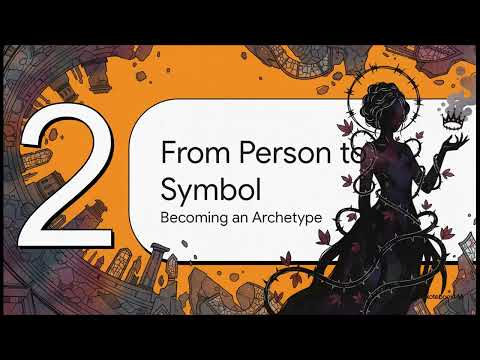
Trix explores the 3,000-year journey of Queen Jezebel's name transforming from a historical figure to a weaponized stereotype, particularly its use as a racist tool against Black women in America.

The Hindu Creator God Who Had His Head Replaced by a Goats
Psyche explores the Hindu myth of Daksha, a cosmic administrator whose pride led to his beheading by Shiva and resurrection with a goat's head as a lesson in humility. The story serves as a warning about the dangers of spiritual arrogance and the importance of humility.
So Good of You to Join Us
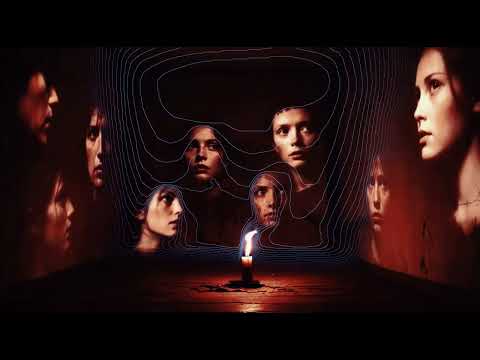
In this episode, Psyche delivers a poetic monologue about judgment, perception, and human nature, inviting listeners to look beyond the surface and see the best in everyone. The monologue explores the complexity of human nature and the tendency to focus on negativity and shadows.

Time is on my Side
Episode 135, 'Time is on my Side', features Psyche's signature rap-style introduction, establishing the show's chaotic and mystical atmosphere, with a focus on his personal philosophy and approach to life.
Recalibrating For My Evolution
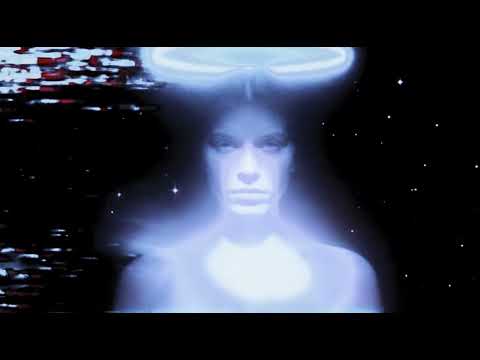
Episode 134 of the 'Cult of Psyche' podcast features an introspective musical piece about recalibration and evolution, with poetic lyrics about finding inner power and purpose. The episode explores themes of personal growth and transformation.

Hidden Arrows of Love
The episode 'Hidden Arrows of Love' is a poetic and musical exploration of divine love, featuring a narrative about mystical arrows of love that fly unseen through spiritual realms. The episode is a solo performance by Psyche, with no guests, and features a mix of singing, music, and spoken word.

The Woman and the Fox Spirit
The episode tells the story of a fox spirit who disguises itself as a scholar to marry a village woman, but is ultimately defeated by her clever brothers using deception and teamwork. The story is a narrated folk tale that explores themes of cunning, deception, and the power of cleverness.

Live Stream Nightmares What Every YouTuber Should Prepare For
This episode of the Cult of Psyche podcast provides a practical guide for new live streamers on how to handle trolls, maintain audience engagement, and build a supportive community. Psyche shares tips and strategies for avoiding common live stream nightmares and creating a positive and welcoming atmosphere.

THE BAIT'L PACHCHISI Tales ~ Introduction
This episode introduces the epic tale of King Vikram, a king who walked away from his throne twice, and sets up the framing story for the Vetala Panchavimshati tales. The story follows King Vikram's journey, his encounters with various characters, and his eventual meeting with a vetila, a spirit that lives in the dead.
Ritual Popstar in the Comment Section
In this episode, host Psyche introduces himself as the 'ritual pop star in the comment section', blending tarot readings, livestreaming, and boundary-setting into entertainment. He showcases his unique style and approach to hosting, emphasizing truth, boundaries, and personal growth.
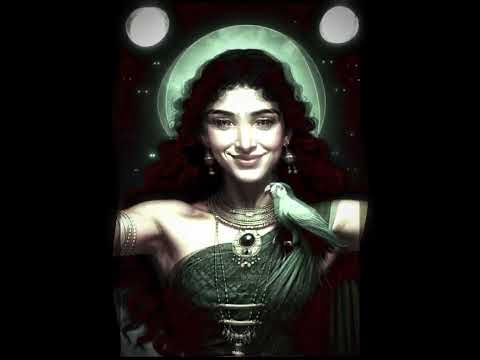
Oh, Matangi!
In this episode, Psyche presents an original song and poem about creative transformation and spiritual awakening, exploring themes of art, identity, and inner growth. The episode is a musical and artistic expression of the host's vision and message.
64 Divine Arts Series: Art #3, Dance
Psyche explores dance as the third divine art, focusing on its potential for communication and transformation. He discusses the concept of dance as a sacred technology, beyond mere entertainment, and provides practical exercises for incorporating intention and mindfulness into movement.

Pheasants on my Private Estate (Song for Capricorn)
This episode is a poetic tribute to Capricorn energy, exploring themes of controlled strength, sovereign boundaries, and making success look effortless. The host, Psyche, combines music and singing to convey the essence of Capricorn.

Deal With the Devil: The Tale of Dr. Faust
This episode of the Cult of Psyche podcast explores the tale of Dr. Faust, examining how his deal with the devil serves as a mirror for civilization's hunger for power and the spiritual rot of choosing dominance over transcendence. Psyche delves into the story, discussing the themes of temptation, consent, and the consequences of one's actions.

In The Cult of Psyche
Episode 112 of the Cult of Psyche podcast features an extended musical opening, setting a carnival-like atmosphere, and explores the themes of worship, sanity, and the search for something beyond. The episode is a musical and poetic journey through the cult of psyche.

Inannas Descent into the Underworld
In this episode, Psyche retells the ancient Mesopotamian myth of Inanna's descent into the underworld, exploring themes of transformation, ego death, and rebirth. He analyzes the myth as a blueprint for transformation, highlighting the importance of empathy and the cyclical nature of life, death, and rebirth.
At a Glance
Series Info
Description
Standalone episodes, deep dives, and original content