
In the Psycheverse
Psyche treats autonomy as a non-negotiable spiritual and interpersonal principle, particularly when addressing community drama around pressure to perform emotional labor or make public statements. The show establishes that true support cannot be demanded—it must be freely given—and that setting boundaries around one's actions is essential to maintaining integrity and power within the community.
Episodes (8)

The Signal Summons Psyche
Psyche performs an original composition exploring themes of autonomy, rejection of external validation, and the power found in silence and distance from collective demand.

Good Afternoon Cultists! It's a BEAUTIFUL Day!
The episode 'Good Afternoon Cultists! It's a BEAUTIFUL Day!' features Psyche discussing various topics, including his personal life, his connection with his audience, and online harassment. He also interacts with his cats and receives a surprise gift of flowers.

Wake Up With the Cult
The episode 'Wake Up With the Cult' features Psyche, the host, discussing various topics including the power of silence, the impact of noise, and the importance of becoming impossible to predict. He also interacts with his audience, addressing various issues and concerns.

Why cats 'own' you — the open door policy explained
Psyche and a guest explore how cat doors create an 'open door policy' that fundamentally inverts the human-cat relationship, arguing that people with cat doors are caretakers or slaves to their feline residents rather than owners.

Lone Wolf
Trix delivers a spoken-word poem exploring the lone wolf archetype—a self-sufficient person who quietly withdraws from relationships without drama when they no longer align with their values, prioritizing clarity and autonomy over connection.
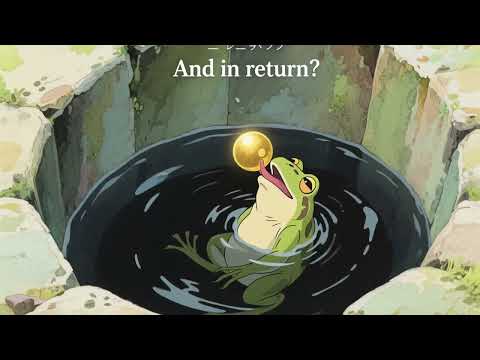
The Frog and the Princess
This episode of the Cult of Psyche podcast explores the classic fairy tale of the Frog and the Princess, analyzing its symbolic and archetypal themes. The story is about a princess who makes a bargain with a talking frog to retrieve her golden ball, and the journey of self-discovery that follows.

The REAL Story of the Little Mermaid
Host Trix retells the Little Mermaid story as a legal drama where Ariel successfully sues Ursula for exploiting a minor through an invalid contract.

No More Manipulation Psyche's Stand Against
Psyche confronts an individual attempting to manipulate him through blackmail and threats, firmly establishing his boundaries in a heated exchange.
🐇 Rabbit Hole
Topics that frequently appear alongside autonomy