In the Psycheverse
Psyche treats fairy tales as psychological maps and occult instruction manuals, unpacking their symbolic architecture to reveal hidden themes of initiation, power dynamics, and truth-seeking. He examines both canonical versions and obscure origins, reframing familiar stories through Jungian analysis and esoteric interpretation rather than accepting sanitized modern versions.
Episodes (4)

The Frog and the Princess
This episode of the Cult of Psyche podcast explores the classic fairy tale of the Frog and the Princess, analyzing its symbolic and archetypal themes. The story is about a princess who makes a bargain with a talking frog to retrieve her golden ball, and the journey of self-discovery that follows.

The Sensitive Princess ~ Quantum Scary Tales
Host Psyche retells the Princess and the Pea fairy tale through a darker, psychological lens, exploring themes of sensitivity, authenticity, and truth perception. The story follows Petra, a princess who arrives at a castle and is tested by the queen through a pea under 20 mattresses.
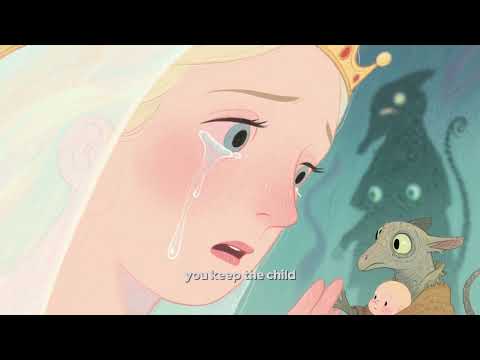
Rumpelstiltskin, What Really Happened
In this episode of the Cult of Psyche podcast, host Psyche delves into the true story behind the fairy tale of Rumpelstiltskin, exploring its hidden mythology and occult significance. He examines the original versions of the story, revealing the darker themes of power, control, and exploitation.
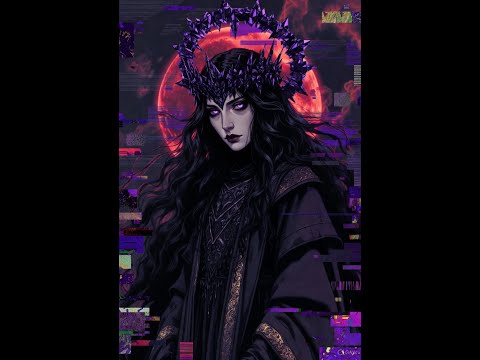
Little Red Riding Hood: What Really Happened (A Quantum Fairy Tale)
Psyche explores the story of Little Red Riding Hood through a quantum lens, examining the fairy tale's deeper meanings and archetypal significance. The story is reimagined in a world where memories can be stolen and manipulated, and Red must navigate a forest of doubt to uncover the truth.
🐇 Rabbit Hole
Topics that frequently appear alongside fairy tales